Back in the mid sixties, when the after effects of Hiroshima and Nagasaki were still causing shudders of consternation throughout the west, all eyes fell on the Soviet Union and its proliferation of nuclear arms.
Then came the Cuba Missile Crisis. The world held its breath. Phew! A close call. Or was it all cat and mouse. Chests being puffed up. Mine’s bigger than yours, so there! Since then a different type of war has been raging. But undercover. The Cold War. Jo Public kept out of the loop. Worldwide intelligence services keeping everything very hush hush.
In the UK at that time, a film The War Game, was being shown in many schools. Making the possibility of a nuclear attack seem very real. Was it? Or, was it a tool of homegrown propaganda? Enabling the justification of government funding to the intelligence services? As it turns out, a similar production was at large in Denmark – a short excerpt . . .
Before pitching up at Rudkøbing Camping on Langeland Island we pay a visit to Langelandsfort and its Cold War Museum. A brilliantly maintained [by the local kommune] Baltic Sea fortress.
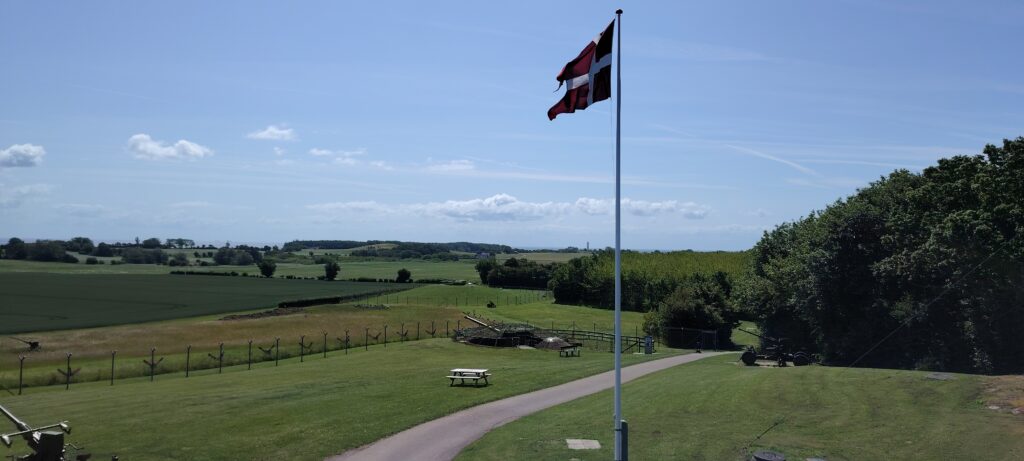
It’s an eye opener. Previously neutral, as a founding member of NATO in 1949, Denmark has taken its membership duties very seriously. Continuously monitoring off-shore activities. Searching for any signs of the dreaded Soviets. Until 1993, after the collapse of the USSR, when the fortress was decommissioned.
Its on-land battery of guns was assisted by the Springeren submarine – it’s open . . .
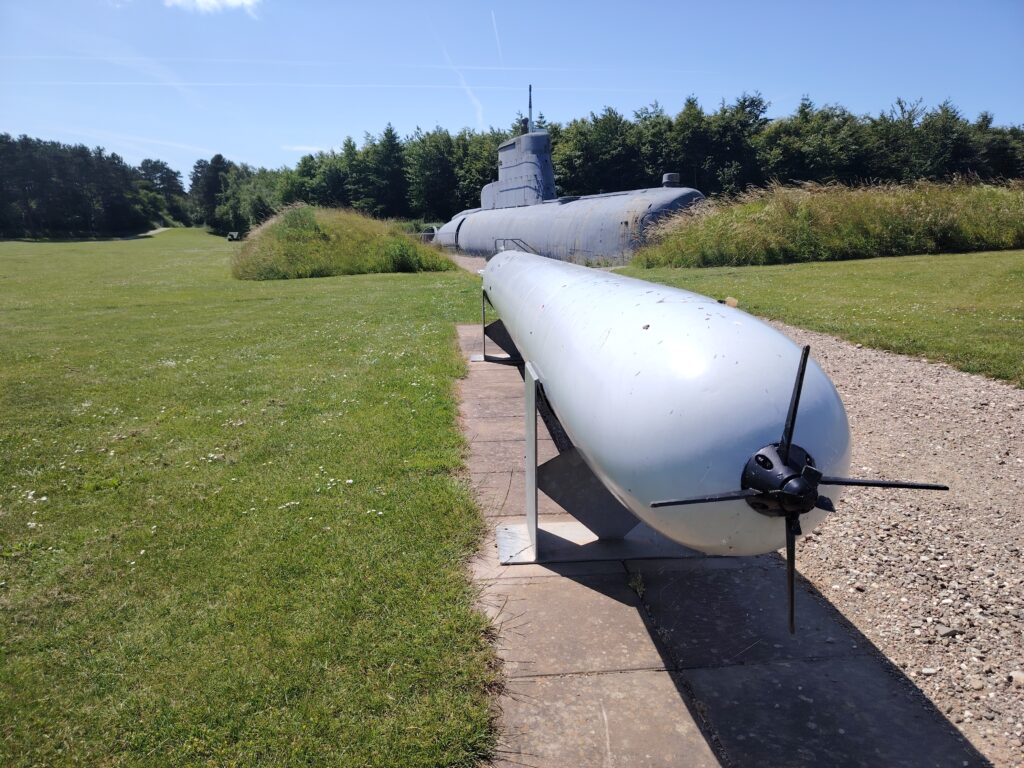
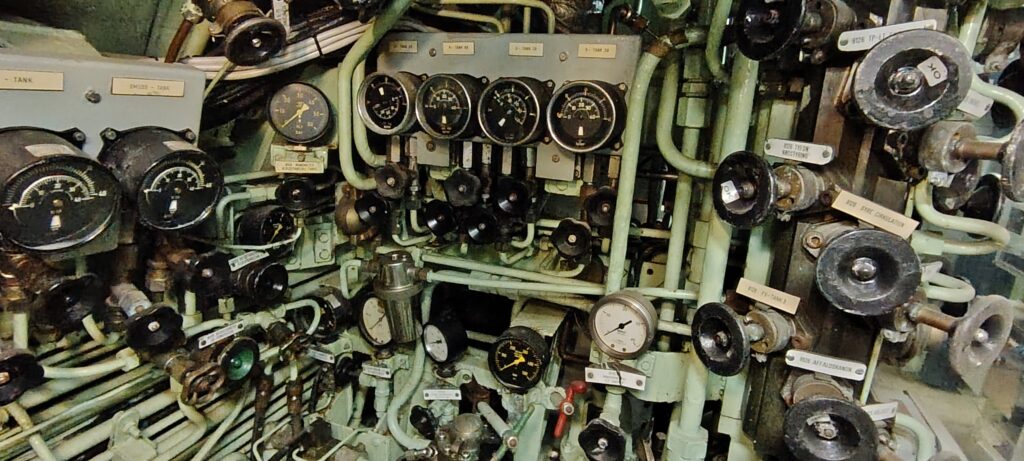
Inside, its guts is a mass of tubes, dials, buttons and levers. There’s hardly room to swing a mouse, never mind a cat. Under such close conditions the twelve man crew were allowed to wear cool cotton clothes. Water a premium. Clothes were not washed for the 100-150 day duration of a mission!
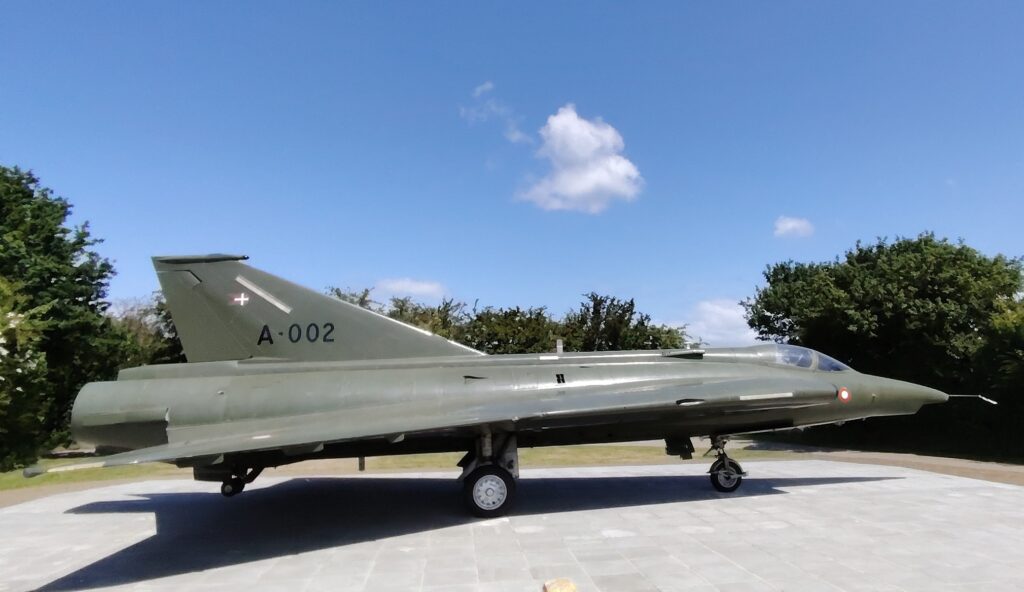
Huge underground bunkers provide an insight into the scale of operation and commitment. With everything in place as it was, it’s easy to get the feel of what living conditions below ground were like.
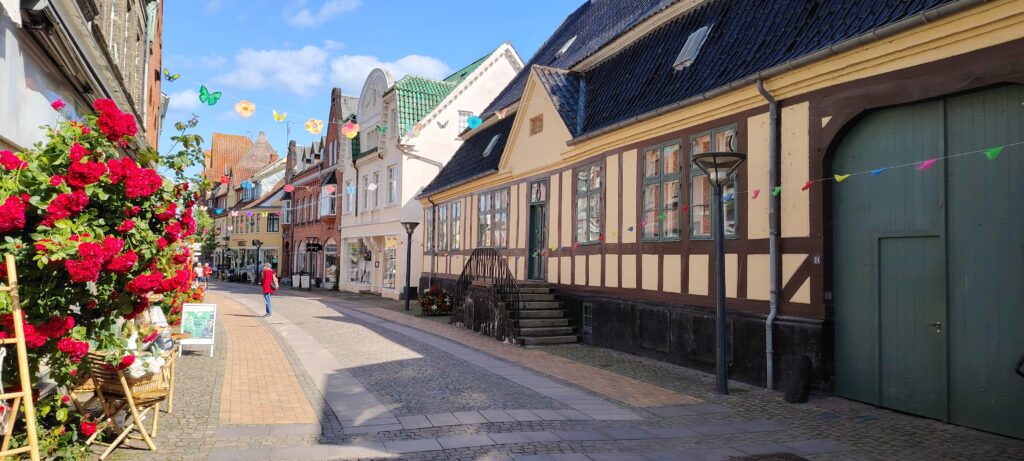
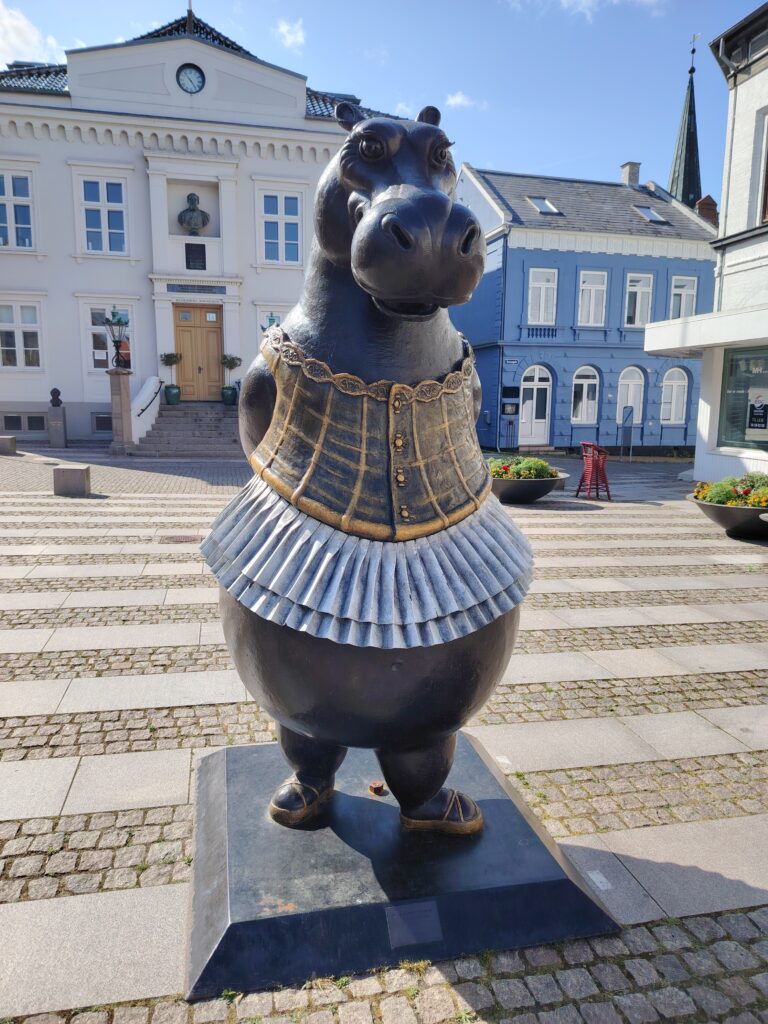
We finish our day’s excursions with more pleasant thoughts as we peruse Rudkøbing’s quainter paths.